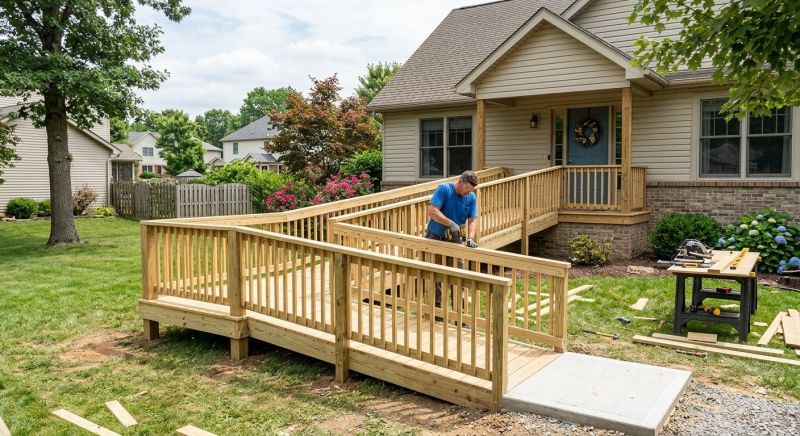
Home Ramp Installation in Wilmington, NC
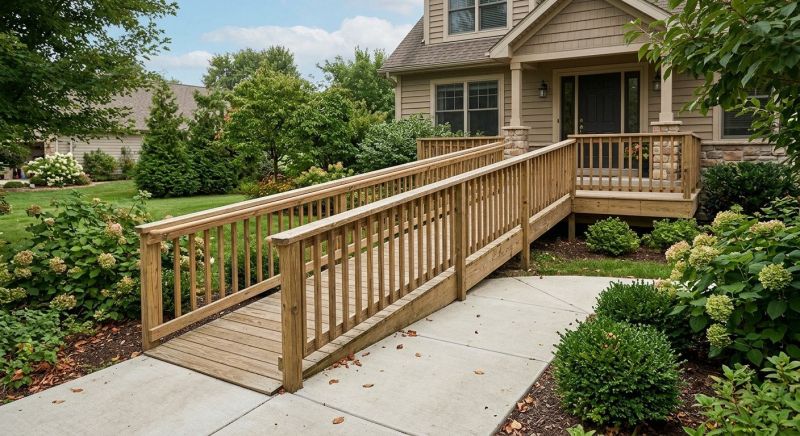
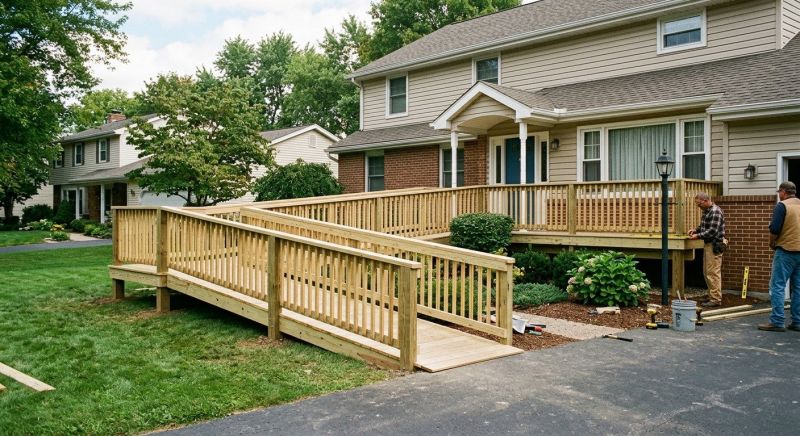
Home ramp installation services provide a practical solution for making properties more accessible by adding ramps to entryways, stairs, or uneven surfaces. These projects often include installing ramps at residential entrances, garages, or patios to improve mobility for individuals with limited mobility, wheelchairs, walkers, or strollers. Property owners typically want to understand the materials used, the durability of the ramp, and how it will blend with the existing property features. Additionally, they may inquire about the installation process, safety considerations, and maintenance requirements to ensure the ramp remains functional and secure over time.
Before requesting a home ramp installation, property owners should consider the specific location where the ramp will be installed, including the slope and available space. It’s helpful to evaluate the type of surface, the weight capacity needed, and any local building codes or regulations that may apply. Understanding the different ramp styles-such as portable, modular, or custom-built-can also influence the decision-making process. Clear communication about these details ensures the project aligns with accessibility needs and property features, resulting in a safe and effective solution.
Many property owners in Wilmington, NC look into Home Ramp Installation for repairs, replacements, upgrades, and appearance-related improvements.
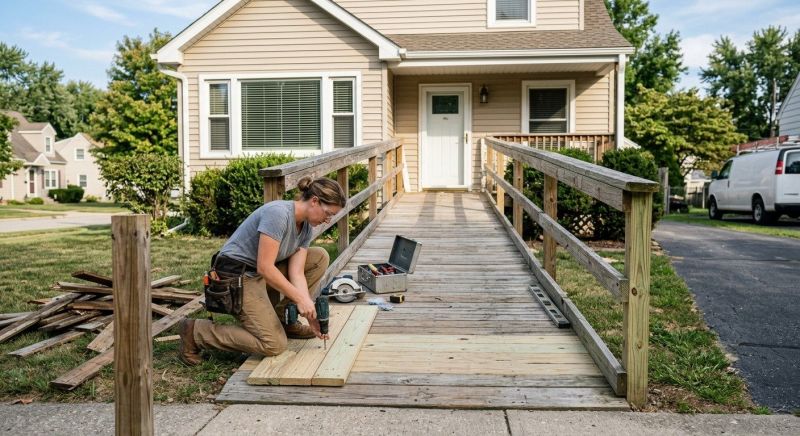
Accessible Entryways
Home ramp installation improves accessibility for all visitors and residents.
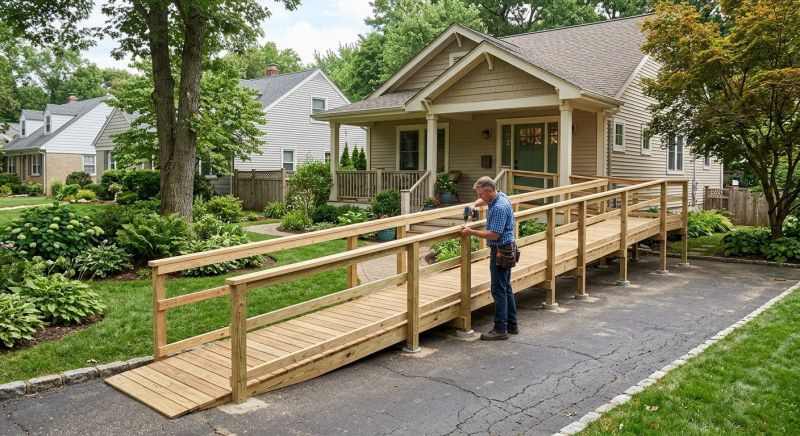
Customized Ramp Solutions
Ramps can be tailored to fit different property layouts and specific mobility needs.
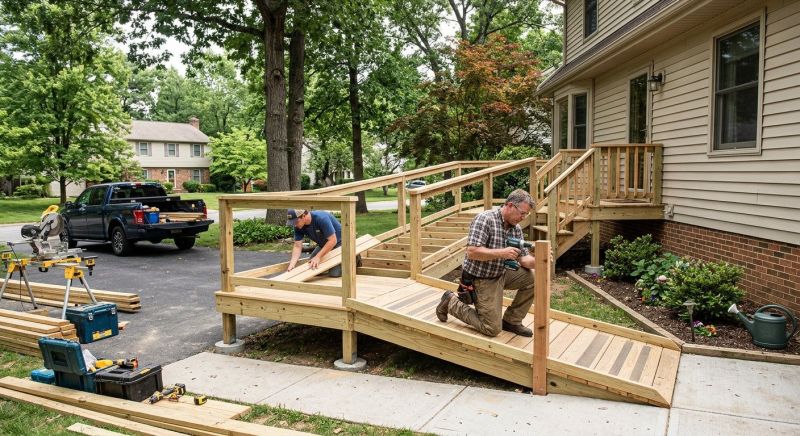
Enhanced Property Safety
Properly installed ramps help prevent falls and make outdoor areas safer for everyone.
Home Ramp Installation in Wilmington, NC

Home ramp installation services provide a practical solution for making properties more accessible by adding ramps to entryways, stairs, or uneven surfaces. These projects often include installing ramps at residential entrances, garages, or patios to improve mobility for individuals with limited mobility, wheelchairs, walkers, or strollers. Property owners typically want to understand the materials used, the durability of the ramp, and how it will blend with the existing property features. Additionally, they may inquire about the installation process, safety considerations, and maintenance requirements to ensure the ramp remains functional and secure over time.
Before requesting a home ramp installation, property owners should consider the specific location where the ramp will be installed, including the slope and available space. It’s helpful to evaluate the type of surface, the weight capacity needed, and any local building codes or regulations that may apply. Understanding the different ramp styles-such as portable, modular, or custom-built-can also influence the decision-making process. Clear communication about these details ensures the project aligns with accessibility needs and property features, resulting in a safe and effective solution.
Many property owners in Wilmington, NC look into Home Ramp Installation for repairs, replacements, upgrades, and appearance-related improvements.
Common Home Ramp Installation Jobs
Home Ramp Installation - provides safe and accessible entryways for homes.
Residential ramps - designed to improve mobility for individuals with limited stairs.
Wheelchair ramps - built to accommodate wheelchair users and enhance independence.
Porch and step ramps - installed to make elevated entrances more accessible.
Temporary or permanent ramps - suited for short-term needs or long-term accessibility solutions.
Custom ramp solutions - tailored to fit specific property layouts and homeowner requirements.
Home Ramp Installation Questions
What types of ramps are available for home installation? Various options include portable, modular, and permanent ramps to suit different accessibility needs and property types.
What is the typical purpose of a home ramp? Home ramps provide safe, easy access for individuals with mobility challenges, wheelchairs, or strollers, improving overall accessibility.
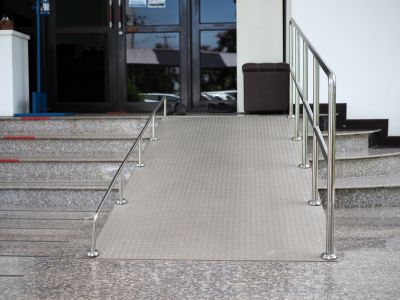
What materials are commonly used for home ramps? Common materials include aluminum, wood, and composite, chosen for durability, safety, and suitability to the property's environment.
What should property owners consider before installing a home ramp? Consider the location, slope, available space, and compliance with local building codes to ensure proper and safe installation.
Request Home Ramp Installation in Wilmington, NC
Use the quote form on this page to share the basics of your project and request more information for the type of work you need.